Recycling Scrap Metal: Economic and Environmental Benefits
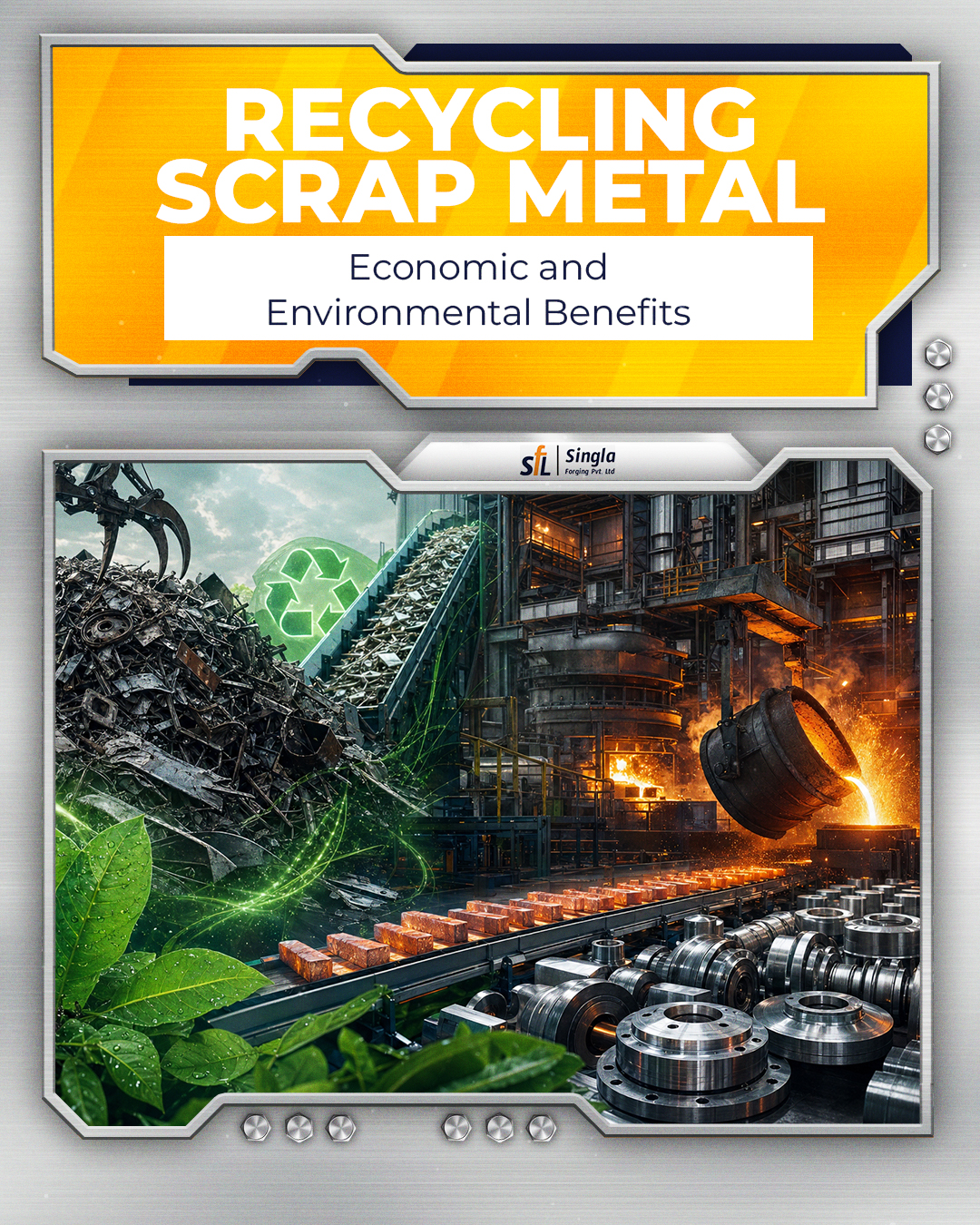
In today’s industrial landscape, sustainability and cost efficiency are equally important for businesses and manufacturers. One of the most effective ways industries can reduce waste, lower production costs, and protect the environment is through scrap metal recycling. From construction and automotive industries to manufacturing and infrastructure projects, recycling metal scrap plays a major role in supporting both economic growth and environmental responsibility.
Scrap metal is not just industrial waste—it is a valuable resource that can be collected, processed, and reused without losing its original properties. Metals such as steel, aluminum, copper, brass, iron, and stainless steel can be recycled multiple times, making them among the most sustainable materials used in modern industry.
Recycling scrap metal helps reduce dependence on raw material extraction while minimizing landfill waste and lowering energy consumption. It creates a balance between profitability and environmental protection, making it an essential practice for industries worldwide.
Understanding Scrap Metal Recycling
Scrap metal recycling is the process of recovering discarded metal materials and converting them into reusable raw materials for manufacturing. These materials may come from old machinery, construction debris, automotive parts, industrial equipment, pipelines, appliances, and production waste.
The recycling process generally includes collection, sorting, processing, melting, purification, and reshaping. Ferrous metals such as steel and iron are separated from non-ferrous metals like aluminum, copper, and brass. After sorting, the metal is cleaned and melted in specialized furnaces before being shaped into new products.
Unlike many other materials, metals can be recycled repeatedly without major quality loss. This makes metal recycling one of the most efficient and sustainable industrial practices available today.
Economic Benefits of Scrap Metal Recycling
One of the biggest advantages of scrap metal recycling is its strong economic value. Businesses that recycle metal waste can significantly reduce costs while generating additional revenue.
Reduced Production Costs
Producing metal from recycled scrap requires far less energy than extracting and refining raw ore. For example, recycling aluminum uses significantly less energy compared to producing it from bauxite ore. Lower energy use means lower manufacturing costs, which improves profitability for industries.
Steel recycling also reduces the need for mining, transportation, and raw material processing, helping manufacturers control expenses while maintaining high product quality.
Additional Revenue Generation
Industrial facilities often produce large amounts of metal waste during manufacturing processes. Instead of treating this as disposal waste, companies can sell scrap metal to recycling facilities and generate extra income.
Copper, brass, aluminum, and stainless steel scrap often have high market value, making them valuable financial assets. Even small businesses can benefit from regular scrap collection and resale.
Job Creation and Industry Growth
The scrap recycling industry supports thousands of jobs across collection, transportation, processing, refining, and manufacturing sectors. Recycling businesses contribute to local economies by creating employment opportunities and strengthening industrial supply chains.
As demand for sustainable manufacturing continues to grow, the recycling sector also expands, supporting long-term economic development.
Lower Waste Management Costs
Disposing of industrial waste in landfills can be expensive. By recycling scrap metal, companies reduce disposal fees and improve waste management efficiency. This not only saves money but also helps businesses meet environmental regulations more effectively.
Environmental Benefits of Scrap Metal Recycling
Beyond financial advantages, scrap metal recycling has a major positive impact on the environment. It helps conserve natural resources, reduce pollution, and support sustainable industrial growth.
Conservation of Natural Resources
Mining for raw metal ores requires large-scale land excavation, water usage, and energy consumption. This process damages ecosystems and depletes natural resources over time.
Recycling existing metal reduces the need for mining and preserves valuable natural reserves. Instead of extracting new materials, industries can reuse available resources and create a more sustainable production cycle.
Energy Savings
Metal extraction and refining are highly energy-intensive processes. Recycling metal uses significantly less energy, which reduces fossil fuel consumption and lowers industrial emissions.
For example, recycled steel saves a large amount of energy compared to producing new steel from iron ore. Similar benefits apply to aluminum, copper, and other commonly used industrial metals.
Lower energy demand directly contributes to reduced greenhouse gas emissions and cleaner industrial operations.
Reduction in Landfill Waste
Large amounts of metal waste from construction, demolition, manufacturing, and consumer products often end up in landfills. Since metal does not decompose easily, this creates long-term waste management challenges.
Recycling keeps valuable materials out of landfills and reduces pressure on waste disposal systems. This helps industries and cities manage waste more efficiently while protecting land resources.
Lower Air and Water Pollution
Mining and metal production release harmful pollutants into the air and water, affecting both the environment and public health. Recycling significantly reduces these emissions because it requires fewer extraction and refining processes.
Cleaner production methods improve air quality, reduce water contamination, and support healthier communities.
Industries That Benefit Most
Many industries depend heavily on scrap metal recycling for both operational efficiency and sustainability. The construction industry recycles steel beams, pipes, and structural materials. The automotive sector recovers metal from old vehicles, engines, and spare parts. Manufacturing plants recycle machine components, production waste, and industrial equipment.
The oil and gas industry also generates large amounts of reusable metal from pipelines, valves, flanges, and heavy machinery. Marine industries, railways, and power plants similarly rely on recycling to reduce costs and improve environmental performance.
Conclusion
Scrap metal recycling is far more than a waste management practice—it is a smart economic and environmental strategy. It helps businesses reduce production costs, generate additional revenue, conserve natural resources, save energy, and lower pollution.
As industries move toward sustainable growth and responsible manufacturing, recycling scrap metal becomes increasingly important. It strengthens supply chains, protects the environment, and creates long- term value for businesses and communities.
At Singla Forging, we believe sustainability and industrial performance must go hand in hand. Responsible scrap metal recycling is a powerful step toward building a cleaner, stronger, and more efficient future for modern industry.