How Supply Chain Resilience Starts with Strong Manufacturing Partners
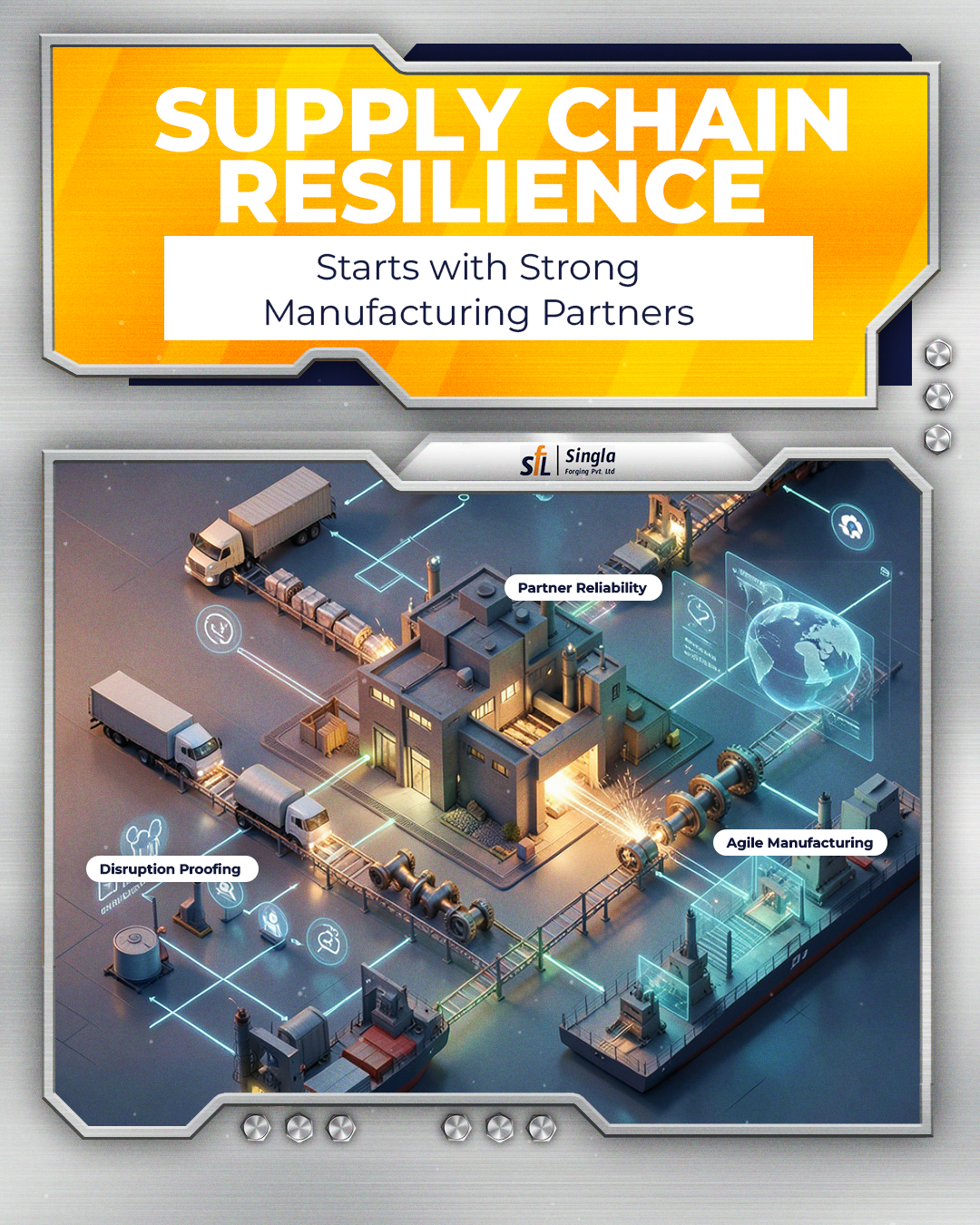
In today’s unpredictable global market, supply chain resilience is no longer optional — it is essential. From fluctuating raw material prices to logistics disruptions and sudden demand shifts, businesses face constant pressure to maintain consistency. The foundation of a resilient supply chain begins not with transportation or warehousing, but with strong, dependable manufacturing partners.
For industrial sectors like forging and heavy engineering, choosing the right manufacturing partner can determine whether operations stay on track or face costly delays.
Understanding Supply Chain Resilience
Supply chain resilience refers to the ability of a system to anticipate, prepare for, respond to, and recover from disruptions while maintaining continuous operations. It is not just about surviving a crisis; it is about adapting and emerging stronger.
Industries such as automotive, agriculture, construction equipment, railways, and infrastructure rely heavily on precision components and timely deliveries. A single weak link in manufacturing can ripple across the entire production cycle.
Why Manufacturing Partners Matter the Most
1. Consistent Quality Ensures Reliability
Strong manufacturing partners implement strict quality control processes, advanced inspection systems, and standardized production methods. Consistency in metallurgy, dimensional accuracy, and finishing directly impacts the performance of final assemblies.
When quality is predictable, customers can confidently scale operations without fear of rework or rejection.
2. Capacity and Scalability Support Growth
A resilient supply chain must accommodate fluctuating demand. Reliable forging and manufacturing partners invest in:
- Modern machinery
- Skilled workforce
- Flexible production scheduling
- Capacity planning systems
This ensures that whether you require small batch runs or high-volume production, output remains steady and timely.
3. Raw Material Management Reduces Risk
Strong manufacturers maintain established relationships with trusted raw material suppliers. Strategic inventory management and sourcing diversification protect against shortages and price volatility.
This proactive approach shields downstream customers from sudden supply interruptions.
4. Technology and Process Optimization
Modern forging companies adopt advanced manufacturing technologies such as automated presses, CNC machining centers, and digital quality tracking systems. Technology improves:
- Precision
- Traceability
- Production speed
- Waste reduction
A technologically advanced partner contributes directly to supply chain agility.
5. Transparent Communication Builds Trust
Resilience thrives on communication. Strong manufacturing partners maintain clear reporting structures, transparent timelines, and responsive support teams. Early identification of potential delays allows customers to adjust production planning proactively.
Partnerships built on transparency minimize surprises and strengthen long-term collaboration.
Risk Mitigation Through Strategic Partnerships
Manufacturers who prioritize compliance, certifications, and industry standards reduce operational risks. Structured documentation, regular audits, and adherence to global quality benchmarks provide assurance that production meets regulatory and customer requirements.
Additionally, geographic location plays a role. Manufacturing partners positioned near industrial hubs can optimize logistics, reduce transit time, and lower transportation risks.
The Role of Experience and Industry Expertise
Experience in forging and industrial manufacturing provides valuable insight into material behavior, design optimization, and cost efficiency. Established partners can suggest improvements that enhance product durability while reducing production complexity.
Over time, such collaboration evolves into a strategic alliance rather than a transactional supplier relationship.
Building Long-Term Competitive Advantage
A resilient supply chain enables businesses to:
- Maintain customer commitments
- Reduce downtime
- Improve cost predictability
- Strengthen brand reputation
Strong manufacturing partners act as an extension of your operational strategy. When manufacturing is stable, reliable, and quality-driven, the entire supply network becomes stronger.
Final Thoughts
Supply chain resilience is not built overnight. It requires foresight, collaboration, and dependable manufacturing expertise. By aligning with capable and trustworthy partners, businesses create a solid foundation that withstands disruption and drives sustainable growth.
For companies seeking long-term reliability in forging and precision component manufacturing, investing in strong partnerships is the first and most important step toward supply chain resilience.