Forged Drive Shafts: Why Strength Matters for EVs and Conventional Vehicles
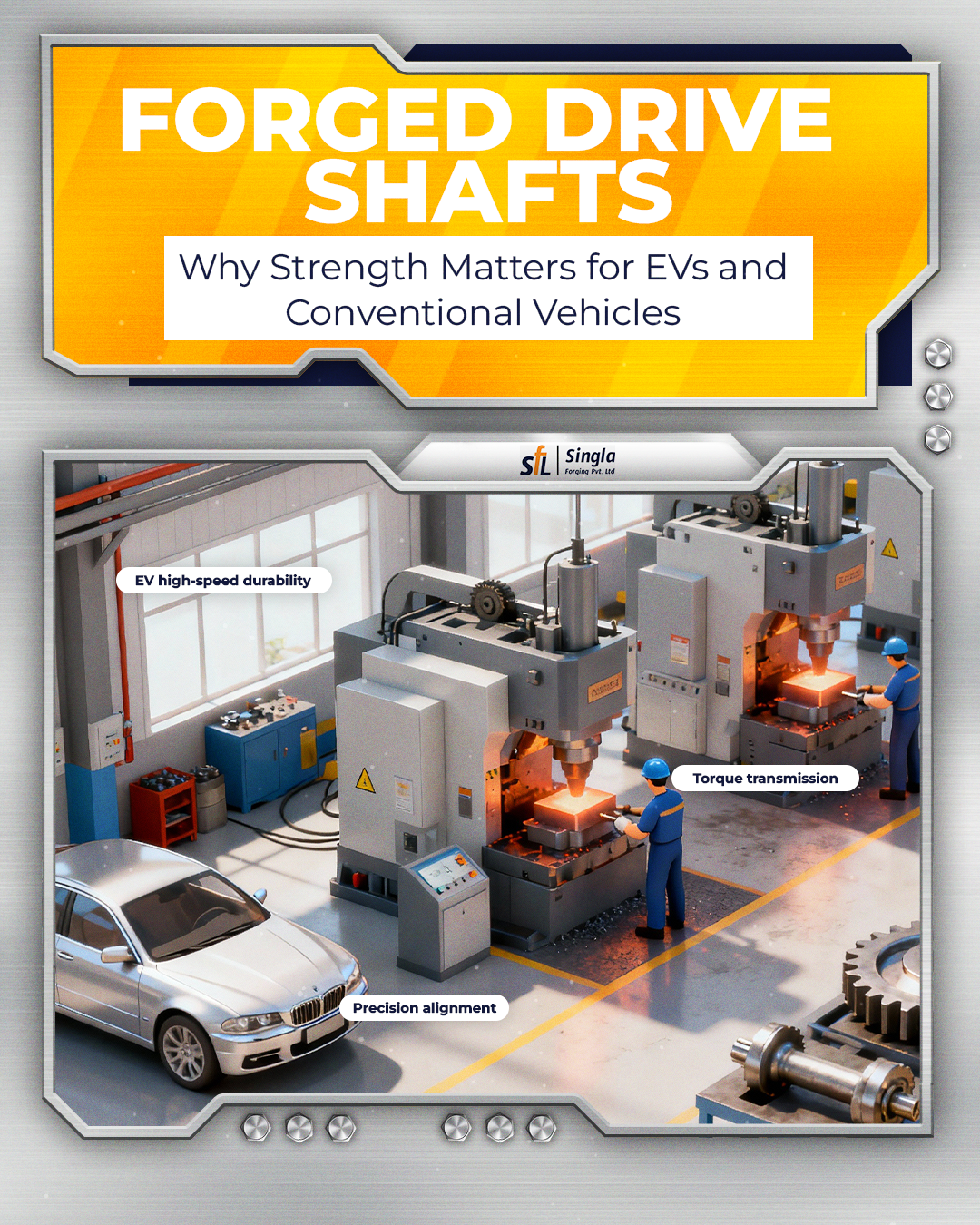
In today’s rapidly evolving automotive landscape, drive shafts remain one of the most critical components of a vehicle’s drivetrain system. Whether in traditional internal combustion engine (ICE) vehicles or cutting-edge electric vehicles (EVs), a drive shaft must handle immense torque, high rotational speeds, and unpredictable load patterns. This makes strength, durability, and performance essential qualities—especially when using forged drive shafts.
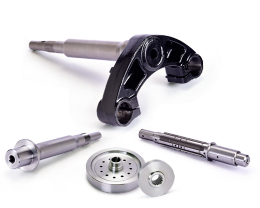
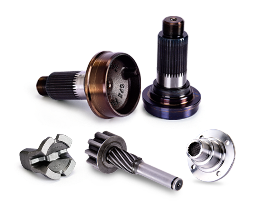
At Singla Forging, we specialize in producing high-quality forged drive shafts that excel in both conventional and electric applications, delivering reliability and long service life in even the most demanding conditions.
What Is a Drive Shaft and Why Its Strength Matters
A drive shaft is the mechanical link that transmits torque from the power source (engine or electric motor) to the wheels. It must withstand significant twisting forces, rapid directional changes, and vibration while maintaining precise balance and alignment throughout the vehicle’s life. The robustness of this key component directly impacts the vehicle’s performance, efficiency, and safety.
In both EVs and ICE vehicles, weak or poorly manufactured drive shafts can lead to premature wear, vibration problems, drivetrain inefficiencies, and even catastrophic failures.
The Role of Forging in Enhancing Strength
Forging is a manufacturing process that shapes metal using compressive forces under heat. This technique aligns the metal’s internal grain structure in the direction of stress and load, creating a component that is inherently stronger and tougher than those produced by casting or simple machining.
Here’s how forging improves drive shaft performance:
Superior Strength and Durability:
The metal grain structure in forged shafts becomes refined and oriented in a way that improves tensile strength and shock resistance—critical for resisting torsional forces and sudden loads.
Improved Fatigue Resistance:
The uniform internal structure reduces stress concentration points, dramatically increasing the shaft’s ability to withstand repeated load cycles without cracking or failure.
Enhanced Impact Resistance:
Vehicles often encounter sudden load changes from road conditions or rapid torque swings. Forged shafts are better equipped to handle these impacts without deforming or fracturing.
Dimensional Precision and Reliability:
Forging supports tight tolerances and consistent metallurgical properties, leading to precise performance and reduced wear in critical drivetrain components.
Why Strength Is Critical for EV Drive Shafts
Electric vehicles introduce unique demands on drive shafts compared to conventional vehicles. Electric motors deliver instant torque and frequent torque reversals due to regenerative braking and electric torque vectoring. These dynamic load patterns require drive shafts that can:
Handle Bidirectional High Torque Loads:
EVs often experience torque in both directions, unlike combustion engines that primarily deliver torque in one direction. This stresses the shaft differently and calls for exceptional strength and resilience.
Support Lightweight, High-Performance Designs:
EV manufacturers are increasingly adopting hollow or composite drive shafts to reduce weight and boost energy efficiency without compromising structural integrity.
Maintain Efficiency at High Rotational Speeds:
With high-rpm electric motors, the drive shaft must sustain performance without introducing vibration or imbalance.
For EVs to deliver peak range, acceleration, and reliability, the drive shaft must be both lightweight and extraordinarily strong. Forged drive shafts provide the ideal balance of strength-to-weight ratio and fatigue resistance for these advanced systems.
Forged Drive Shafts in Conventional Vehicles
While EVs bring new axial and torsional challenges, ICE and hybrid vehicles still rely heavily on torque transfer from the engine to the wheels. This makes forged drive shafts invaluable in:
Heavy-Duty and High-Torque Applications:
Trucks, SUVs, and performance cars often generate significant torque that must be transmitted without shaft deformation or failure. Forged components provide the strength needed for this durable performance.
Improved Ride Quality:
A strong, balanced drive shaft reduces vibrations and driveline NVH (noise, vibration & harshness), enhancing overall ride comfort.
Longer Component Life:
Increased fatigue resistance means longer intervals between maintenance or replacements—translating to lower lifecycle costs.
Conclusion: Strength Equals Performance and Reliability
Whether powering the next generation of electric vehicles or propelling conventional cars down the road, the importance of strong, high-quality drive shafts cannot be overstated. Forged drive shafts deliver the superior strength, fatigue resistance, and durability required for today’s automotive challenges. By choosing forged components from a trusted manufacturer like Singla Forging, OEMs and vehicle makers can ensure:
- Higher torque tolerance
- Enhanced safety and reliability
- Long service life with reduced downtime
- Better overall drivetrain performance
Forged drive shafts are truly at the core of mechanical performance—making strength not just desirable, but essential.