A Beginner’s Guide to Choosing Forged Components for Engineering Projects
What Are Forged Components?
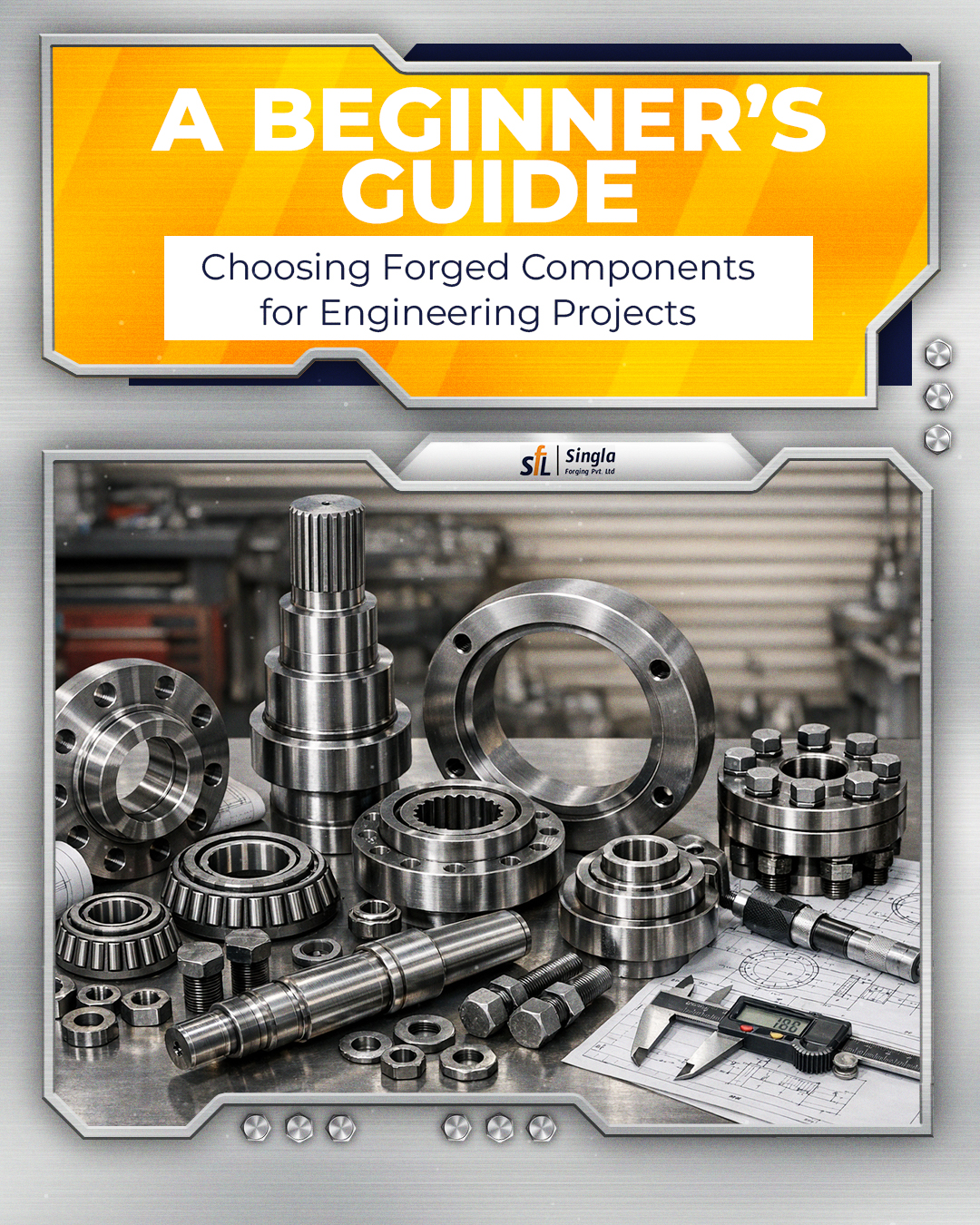
Forged components are metal parts shaped through compressive forces, typically using hammers, presses, or dies. Unlike casting or machining from solid stock, forging refines the internal grain structure of the metal, resulting in superior strength, toughness, and reliability.
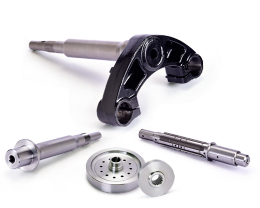
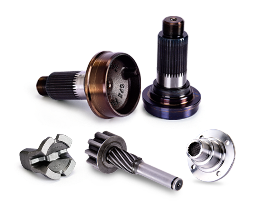
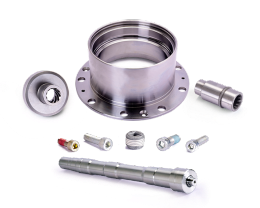
Common examples include:
- Shafts
- Flanges
- Rings
- Gears
- Crankshafts
Why Choose Forged Components?
Before diving into selection criteria, it's important to understand why forging is often preferred:
- Enhanced Strength: Forging aligns the grain flow with the shape of the part, improving mechanical properties.
- Higher Fatigue Resistance: Ideal for components subjected to cyclic loading.
- Structural Integrity: Reduced porosity and internal defects compared to cast parts.
- Cost Efficiency in the Long Run: Longer service life reduces maintenance and replacement costs.
Key Factors to Consider When Choosing Forged Components:
1. Material Selection
The choice of material directly impacts performance. Common forging materials include:
- Carbon Steel: Cost-effective and suitable for general applications.
- Alloy Steel: Offers enhanced strength, toughness, and wear resistance.
- Stainless Steel: Ideal for corrosion-resistant applications.
- Aluminium Alloys: Lightweight with a good strength-to-weight ratio.
Tip: Match the material properties with the operational environment, including temperature, pressure, and exposure to corrosive elements.
2. Mechanical Properties Requirements
Understand the mechanical demands of your application:
- Tensile strength
- Yield strength
- Hardness
- Impact resistance
For example, components in high-load environments require higher tensile and fatigue strength, while those exposed to sudden shocks need better impact resistance.
3. Type of Forging Process
Different forging techniques produce different results:
- Open Die Forging: Suitable for large, simple shapes with low production volume.
- Closed Die Forging: Ideal for complex shapes and high production runs.
- Ring Rolling: Used for producing seamless rings with high structural integrity.
Choosing the right process ensures optimal performance and cost efficiency.
4. Dimensional Accuracy and Tolerances
Precision matters, especially in assemblies where multiple components interact. Consider:
- Required tolerances
- Machining allowances
- Surface finish
Tighter tolerances may increase cost but reduce the need for extensive machining later.
5. Load and Stress Conditions
Analyse how the component will function:
- Static vs dynamic loads
- Direction of forces
- Cyclic stress patterns
Forged components perform exceptionally well under dynamic and fatigue-prone conditions, making them suitable for critical applications.
6. Compliance with Standards
Ensure the components meet relevant industry standards and certifications such as:
- ASTM
- ISO
- ASME
Compliance guarantees consistency, safety, and reliability.
7. Supplier Expertise and Capabilities
Choosing the right manufacturer is as important as selecting the component itself. Evaluate:
- Experience in forging specific materials
- Quality control processes
- Testing and inspection facilities
- Customization capabilities
A reliable supplier can also provide technical guidance during the selection process.
Common Mistakes to Avoid
Beginners often make these avoidable errors:
- Overlooking Material Compatibility: Choosing a material without considering environmental conditions.
- Ignoring Tolerances: Leading to assembly issues and additional machining costs.
- Focusing Only on Cost: Lower upfront cost can result in higher lifecycle expenses.
- Neglecting Supplier Evaluation: Poor manufacturing quality can compromise the entire project.
Practical Selection Workflow
To simplify your decision-making, follow this structured approach:
1. Define application requirements (load, environment, lifespan)
2. Select a suitable material based on conditions
3. Choose the appropriate forging method
4. Specify dimensions and tolerances
5. Verify compliance with standards
6. Partner with a trusted forging manufacturer
Conclusion
Choosing forged components is not just about picking a part off a catalogue—it is a strategic decision that affects performance, safety, and cost efficiency. By understanding material behaviour, manufacturing processes, and application requirements, even beginners can make confident and effective choices.
Investing time in proper selection will ensure your engineering project benefits from the full advantages of forged components: strength, durability, and long-term reliability.
If you are planning your next project, working closely with an experienced forging partner can significantly streamline the selection process and help you achieve optimal results.